Aluminum has become one of the most popular materials for hobbyists, makers, and small fabrication shops. It’s strong, lightweight, and easier to machine than steel, making it ideal for brackets, signs, tooling, custom parts, and small-batch production. Because of this versatility, many people consider investing in an aluminum CNC machine to expand what they can create and take on more professional-level projects.
In the sections ahead, you’ll learn the main types of CNC machines that handle aluminum, the features that matter most, how CNC control affects cut quality, and the common mistakes first-time buyers should avoid.
Quick Summary
Aluminum is easy to machine with the right CNC setup, but it requires rigidity, stable motion control, and proper settings.
CNC routers, plasma tables, and mills can all cut aluminum. Your choice depends on whether you need versatility, speed, or precision.
Key features to look for include a rigid frame, reliable motion system, sufficient spindle/torch power, and user-friendly software.
Common mistakes include choosing flimsy machines, failing to manage heat, using the wrong tooling, or not understanding CNC control basics.
Cutting Edge Plasma stands out for aluminum sheet work thanks to integrated THC, Anti-Dive, waterbeds, modern software, and lifetime support.
Types of CNC Machines That Can Cut Aluminum
Aluminum is a versatile material, but not every CNC machine handles it equally well. For hobbyists, makers, and small fabrication shops, understanding the differences between machine types helps you choose equipment that matches your projects, budget, and level of experience. Below are the three most common CNC machine styles used for aluminum, each with its own strengths, limitations, and ideal use cases.
CNC Routers for Aluminum
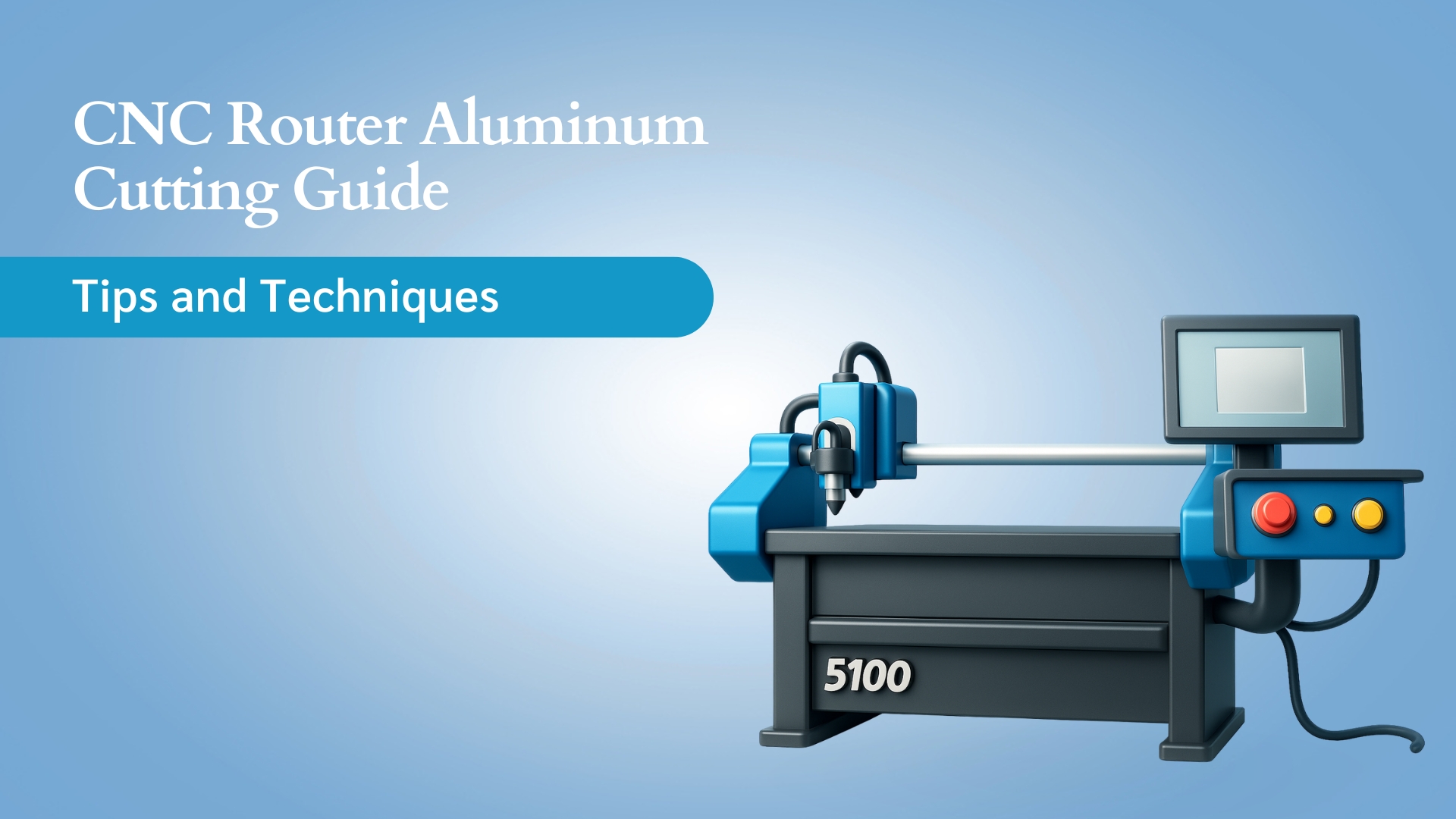
CNC routers are one of the most accessible ways to start machining aluminum. Many hobbyists begin here because routers are easier to learn, relatively affordable, and offer large cutting areas for signs, brackets, panels, and flat parts.
Where routers shine:
Great for sheet aluminum and shallow pockets
Ideal for signmaking, prototyping, and light fabrication
Spindle-based cutting offers smooth edge finishes with proper tooling
Beginner-friendly setup and workflow
Limitations to keep in mind:
The machine must be rigid to avoid vibration and chatter
Aluminum requires slower, more controlled passes than wood
Deep or heavy cuts demand stronger spindles and stable Z-axis support
A well-built router can absolutely cut aluminum; many small shops rely on them daily, but only when rigidity and tooling are taken seriously.
CNC Plasma Tables for Aluminum
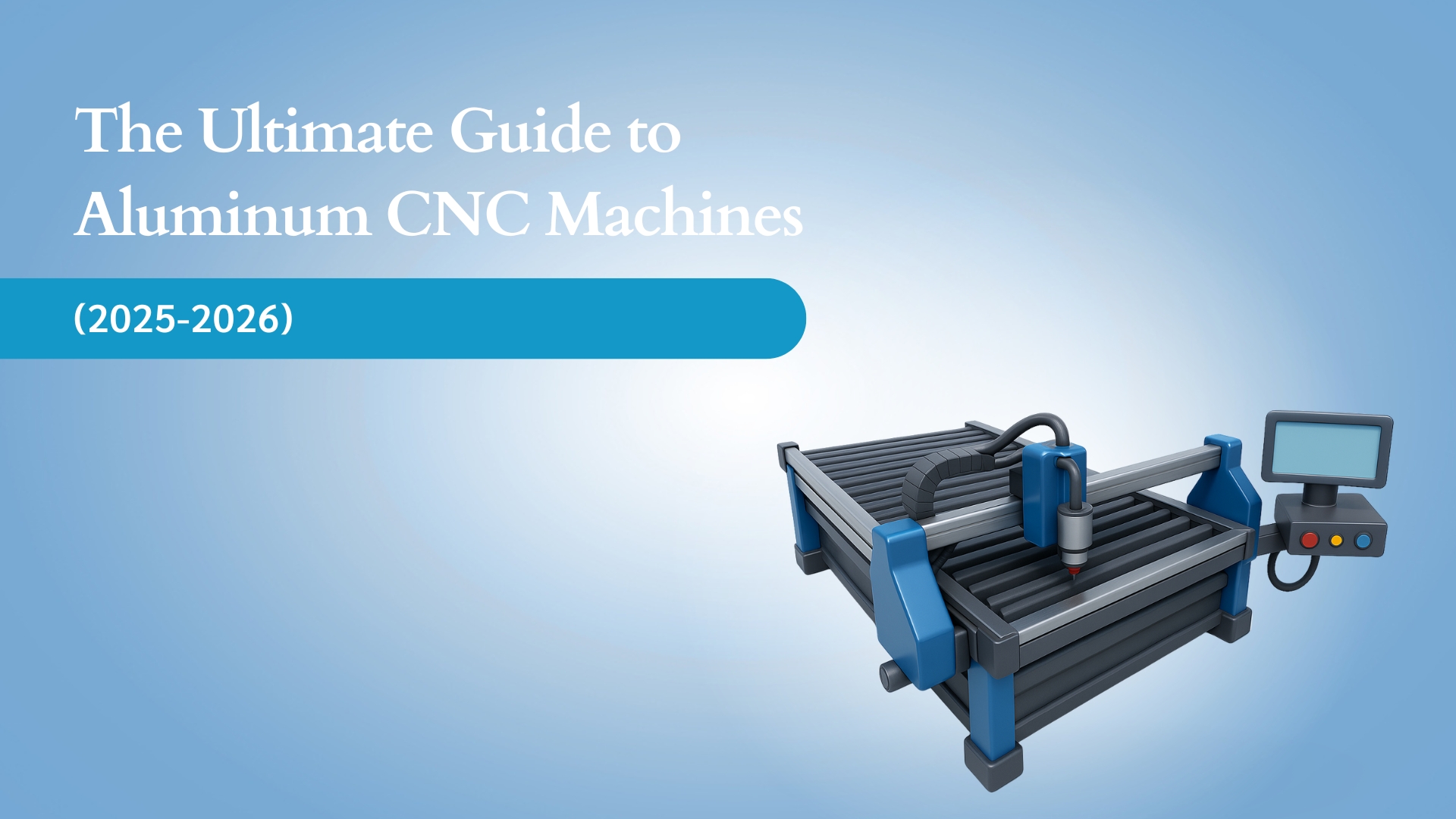
CNC plasma is widely used for metal fabrication, and while steel is the most common material, many operators also cut aluminum with plasma systems. This method is best suited for sheet aluminum and general fabrication parts.
Why plasma is a solid choice:
Very fast cutting speeds
Excellent for brackets, gussets, signs, and flat shapes
Handles larger sheets without difficulty
Ideal for shops needing a quick turnaround
Consider these factors:
Plasma kerf (cut width) is wider than a router or mill
Fine detail is limited compared to milling
Edge finish isn’t as smooth as machined aluminum
Water tables help reduce warping, smoke, and dust
Plasma is a strong option if your projects focus on aluminum sheet parts rather than precision-milled components.
CNC Mills for Aluminum
A CNC mill is the most capable machine for aluminum machining, especially when accuracy and repeatability matter. Mills are designed to remove metal with stability and tight tolerances, making them excellent for functional parts and deeper cuts.
Why mills excel at aluminum:
Extremely rigid frames reduce vibration
Best option for complex pockets, contours, and thick aluminum
Superior surface finish and dimensional accuracy
Ideal for mechanical components or engineering projects
Trade-offs:
Smaller cutting areas than router tables
Higher purchase cost
Steeper learning curve for new users
If your aluminum work requires precision not just cutting shape outlines, a CNC mill is the strongest match.
Now that you know how each machine type compares, here are some of the best aluminum-capable CNC machines available in 2025 across different budgets and use cases.
Top CNC Machines for Aluminum in 2025
Choosing the right CNC machine for aluminum can feel overwhelming. To make your decision easier, we’ve rounded up the top CNC machines for aluminum in 2025, ranging from accessible plasma tables to precision mills and capable routers.
1. Cutting Edge Plasma CNC Table/ Router Table (Best Overall for Aluminum Sheet Cutting)
Type: CNC Plasma Table
Best for: Aluminum sheet cutting, fabrication parts, signs, brackets
Why it works for aluminum:
Integrated Torch Height Control (THC)
THC Anti-Dive reduces torch crashing in curves or small holes
Standard waterbed reduces heat and warping
Modern Windows-11-compatible motion control software
Lifetime tech support
Built to be rigid and stable for clean aluminum cuts
Pros:
Clean, predictable cutting performance
Great for beginners and small shops
No outdated software or legacy hardware
Built-in CAM (MyMiniCAM) = quick edits
Cons:
Plasma edges aren’t as smooth as router/mill finishes
Best for: makers, small fabrication shops, contractors needing a dependable aluminum sheet-cutting machine.
2. Avid CNC PRO Series Router
Type: CNC Router
Why it works for aluminum:
Rigid modular steel frame
Linear rail upgrades available
High-power spindle options
Large working areas for panels/plates
Best for:
Shops seeking the versatility of wood and aluminum on a single machine.
Pros: affordable, large sizes, expandable
Cons: requires careful setup for clean aluminum cuts
3. Shapeoko HDM
Type: CNC Router
Why aluminum-friendly:
Very rigid frame for its size
Powerful spindle
Simple control interface
Best for:
Small shops or advanced hobbyists need accurate small aluminum parts.
4. Langmuir Systems CrossFire XR
Type: CNC Plasma
Why aluminum-friendly:
Great for sheet aluminum with the right torch and parameters
Water table upgrades available
Best for:
Beginners, garages, DIY metalworkers.
5. Tormach 770M CNC Mill
Type: CNC Mill
Why aluminum-friendly:
Heavy cast-iron frame
Outstanding accuracy and repeatability
Ideal for deep cuts, pockets, and mechanical components
Best for:
Engineering shops, prototyping labs, precision hobbyists.
6. Tormach 1100MX Mill
Type: CNC Mill
Why aluminum-friendly:
More travel, more rigidity, more cutting power
Excellent for small-scale production runs
Best for:
Shops making mechanical components or tight-tolerance assemblies.
7. Vevor 6040 CNC Router
Type: Entry-to-midrange CNC Router
Why aluminum-friendly:
When upgraded with a stronger spindle + proper tooling, handles light aluminum cuts
Large enough for plates, brackets, and small parts
Best for:
Beginners upgrading from a 3018 machine.
8. OMTech 4x8 CNC Plasma Table
Type: CNC Plasma
Why aluminum-friendly:
Full sheet capability
Good rigidity for the price
Suitable for hobbyists or light shop work
Cons:
Requires user tuning for best results
9. CNC 3018 Pro Max
Type: Desktop CNC Router
Why aluminum-friendly (lightly):
Handles engraving and very shallow aluminum milling
Great for learning CNC fundamentals
Best for:
Total beginners wanting low-risk learning.
Cons
Not for thick aluminum or structural parts
Understanding the best machines is helpful, but knowing why they perform well matters even more. These are the core features to evaluate before purchasing any aluminum CNC machine.
Key Features to Look For in an Aluminum CNC Machine
Finding the right aluminum CNC machine isn’t just about price or table size. Aluminum demands more stability and control than wood or plastic, so the features that matter most are the ones that help you cut cleanly, consistently, and safely. Here are the features worth paying attention to.
A Rigid Frame That Prevents Vibration
Rigidity is the foundation of clean aluminum cuts. When a CNC machine flexes or vibrates, even slightly, you’ll see problems such as chatter, rough edges, and inaccurate dimensions.
What to look for:
Steel or heavy aluminum frame construction
A solid gantry that doesn’t twist under pressure
Secure rail mounting and stable Z-axis support
A rigid frame helps the machine stay stable under the higher forces required to cut aluminum, giving you smoother edges and better repeatability.
A Reliable Motion System and Smooth CNC Control
Motion control determines how accurately the machine follows its toolpath. For aluminum, smooth and stable motion matters more than speed.
What to look for:
Linear rails rather than simple V-wheels
Ball screws or rack-and-pinion drives for consistent movement
Controllers that offer clean, predictable motion
Easy-to-understand software settings
This is also where learning how to control a CNC machine becomes important. Good control results in better cuts and fewer mistakes, especially helpful for beginners.
Spindle Power or Torch Amperage That Matches Your Projects
To cut aluminum effectively, the machine needs enough cutting power:
If you’re using a CNC router table: Look for a spindle around 1.5 kW to 2.2 kW or higher. More power helps maintain cutting speed and reduces heat buildup.
If you’re using a CNC plasma table: Amperage determines how thick you can cut. Higher amperage = deeper and cleaner cuts.
Duty cycle matters, too: A higher duty cycle means the machine can run longer without needing to cool down important for repeated aluminum jobs.
Software That Makes Learning Easier
Your CNC machine should come with software that helps, not confuses you.
Good CNC software should:
Be easy to navigate
Offer clear previews of toolpaths
Allow simple edits to feed rates, offsets, and cut paths
Work on modern systems (Windows 10/11)
Include built-in CAM tools if possible
User-friendly software shortens the learning curve and helps avoid common beginner mistakes.
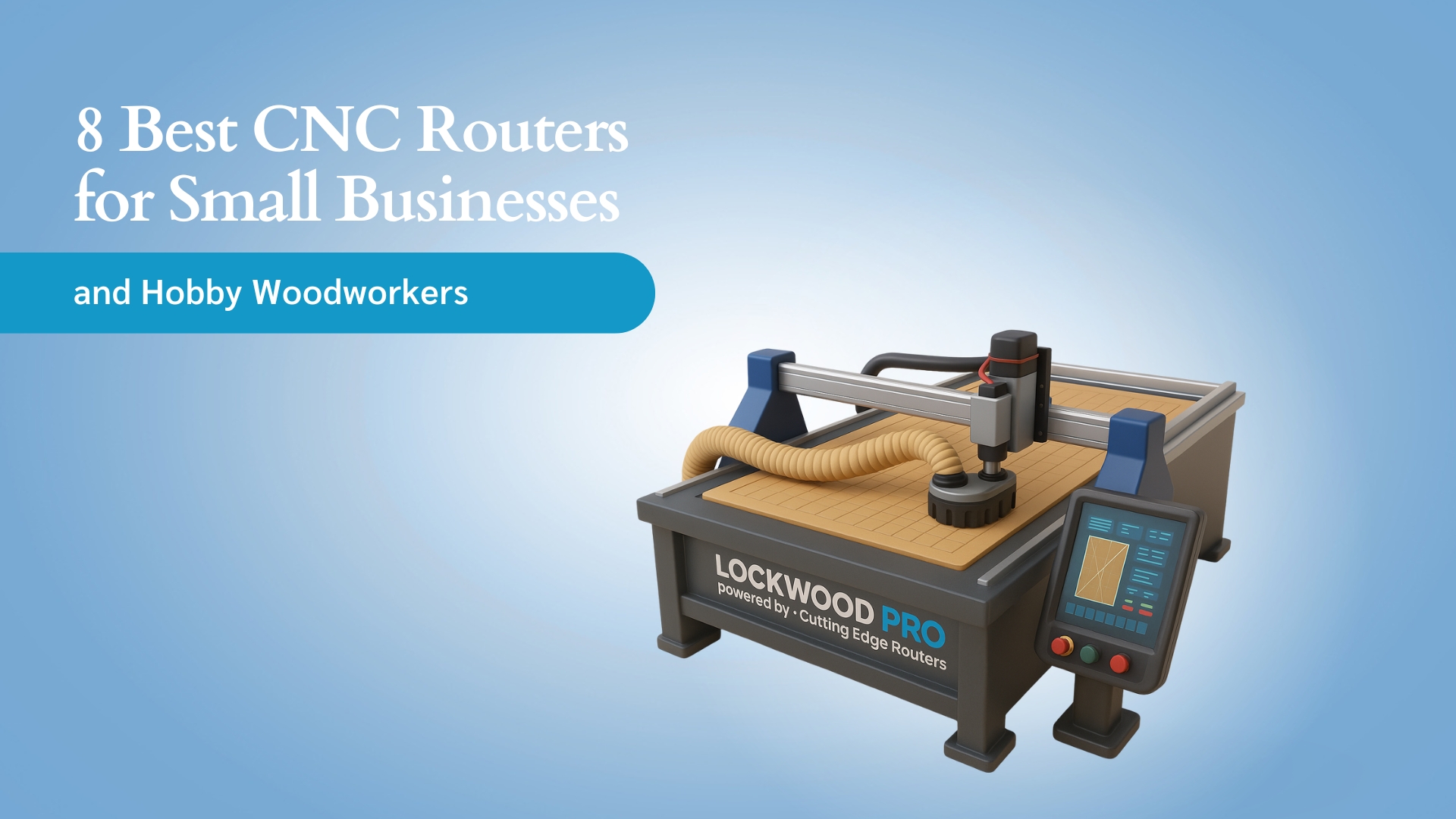
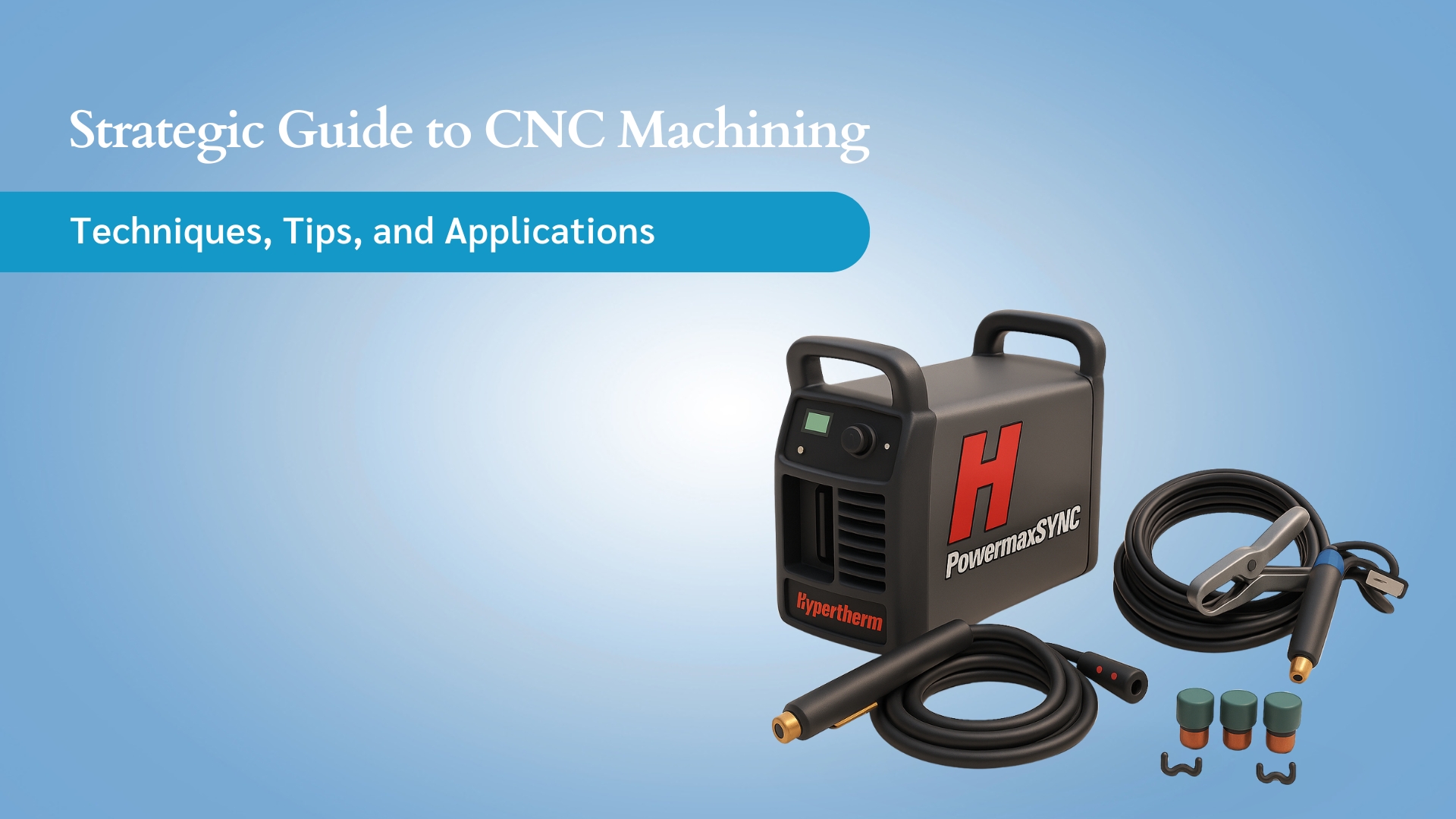
Machines like the iPlasma XTREME 5100 CNC Plasma Table or the Lockwood PRO 5100 CNC Router from Cutting Edge Plasma include MyPlasma, a modern motion-control software with built-in CAM editing and full Windows 11 compatibility, that reduces setup time and keeps users focused on producing clean aluminum cuts.
Even with the right machine, aluminum cutting can go wrong if a few common pitfalls aren’t addressed. Here are the mistakes to avoid from day one.
Common Mistakes to Avoid with Aluminum CNC Machines
Cutting aluminum with a CNC machine doesn’t have to be difficult, but a few recurring mistakes can make the process frustrating and expensive. Avoiding these will help you get cleaner cuts, longer tool life, and a smoother learning curve, whether you’re a hobbyist or running a small shop.
Choosing a flimsy machine – Lightweight, flexible frames vibrate under load and create chatter, rough edges, and inconsistent cuts.
Underestimating rigidity in the gantry and Z-axis – A weak gantry or Z-axis flexes during cutting, causing depth issues and poor surface finish.
Ignoring how to control a CNC machine – Not learning basic speeds, feeds, and motion settings leads to poor cut quality and wasted material.
Running too fast for aluminum – Excessive feed rates cause chatter, heat buildup, and rough, uneven edges.
Using incorrect spindle speed or torch height – Wrong RPM or torch height hurts edge quality and can damage tools or consumables.
Skipping lead-ins and lead-outs in toolpaths – Starting or stopping directly on the part edge leaves visible marks, dings, or blown-out corners.
Cutting aluminum without proper cooling or support – Lack of a waterbed (for plasma) or poor chip evacuation (for routers) leads to warping and heat distortion.
Using the wrong tooling or worn consumables – Wood bits, dull end mills, or tired plasma consumables quickly ruin otherwise good aluminum cuts.
Neglecting basic maintenance and calibration – Dirty rails, loose fasteners, or an out-of-square machine slowly reduce accuracy and repeatability.
Skipping tech support when stuck – Trying to “guess and hope” instead of using available support prolongs problems that could be solved quickly.
If you want a machine that avoids many of these issues from the start, it’s worth looking at how Cutting Edge Plasma approaches aluminum cutting differently.
Why Cutting Edge Plasma Might Be the Right Choice for Your Aluminum CNC Needs?
Choosing the right aluminum-capable CNC machine isn’t just about specs; it’s about finding a system that fits the way hobbyists, makers, and small shops actually work. That’s where Cutting Edge Plasma stands out.
Their machines are built for real-world fabrication environments, with features that simplify aluminum cutting, reduce the learning curve for beginners, and support advanced workflows for growing shops.
Here’s why many small fabrication teams and DIY makers find Cutting Edge Plasma a strong fit:
Integrated Torch Height Control (THC) – Automatically maintains the correct cutting distance, which is essential for clean aluminum cuts and longer consumable life.
THC Anti-Dive for better corners and holes – Prevents the torch from crashing when arc voltage drops, reducing scrap and improving part quality.
Waterbed included standard – Helps control heat, minimizes warping, and keeps the workspace cleaner by reducing smoke and dust, especially useful with aluminum.
Modern motion control software (MyPlasma) – Fully Windows 11 compatible, easy to learn, and includes built-in CAM (MyMiniCAM) so users can edit cut paths quickly without extra software.
Rigid machine construction – Reduces vibration and improves accuracy, which is critical when cutting aluminum or thinner materials prone to movement.
Lifetime tech support – A major advantage for new CNC users. Questions that could cost hours of troubleshooting can be resolved in minutes with expert guidance.
Reliable warranty and long-term parts availability – Keeps downtime low and ensures small shops aren’t stuck waiting for hard-to-find components.
Perfect for small to mid-size shops – Designed to offer professional capability without the complexity or price of industrial-grade equipment.
Together, these features make Cutting Edge Plasma a practical choice for anyone who needs a machine that works reliably, cuts aluminum cleanly, and comes with support that grows with your skills.
Cut aluminum up to 3x faster with precision CNC technology. Explore Cutting Edge Plasma’s CNC tables today and experience how effortless high-accuracy cutting becomes.
FAQs
Can a beginner cut aluminum on a CNC machine?
Yes. With a rigid machine, proper tooling or torch settings, and beginner-friendly software, aluminum cutting is very approachable even for first-time CNC users.
Is plasma or a router better for aluminum?
It depends:
Plasma is best for sheet aluminum and fast fabrication work.
Routers are better for clean edge finishes and mixed materials like wood + aluminum.
Mills offer the highest precision for mechanical parts.
What thickness of aluminum can I cut on a CNC plasma machine?
It depends on your plasma system’s amperage. Higher amperage = thicker aluminum capability. Always follow the machine and torch manufacturer’s guidelines.
Does aluminum warp when cutting?
Yes, aluminum can warp from heat, especially with plasma cutting. A waterbed, standard on Cutting Edge Plasma tables, helps cool the material and reduce warping.
What’s the most important feature for cutting aluminum cleanly?
Rigidity. Flex or vibration in the frame, gantry, or Z-axis leads to chatter, rough edges, and inconsistent depths.