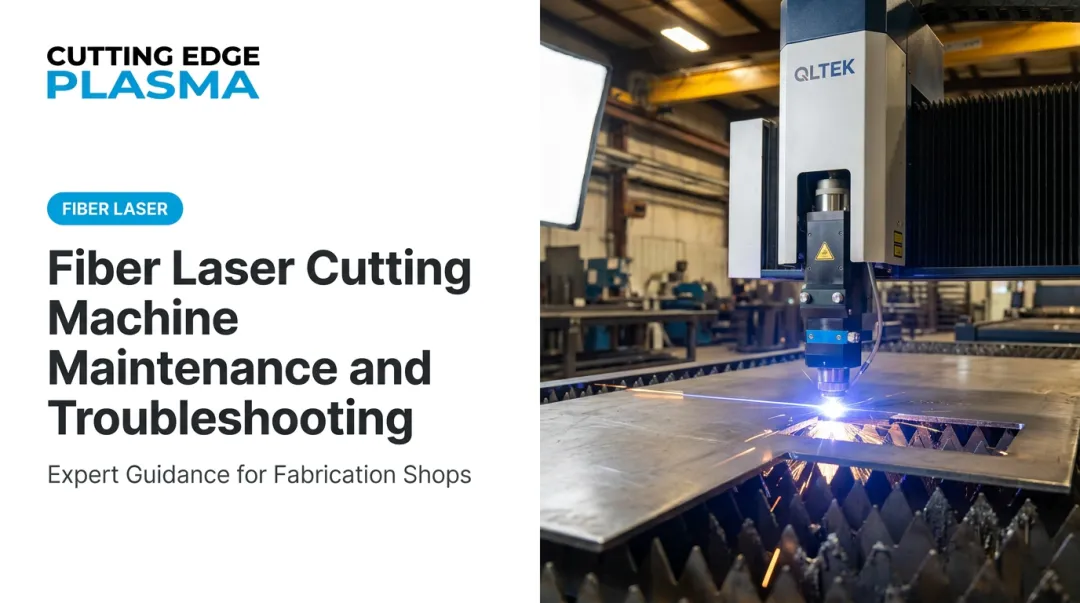
CNC machines are central to modern manufacturing, driving precision cutting, routing, and fabrication while helping plants achieve consistent quality, faster cycles, and higher throughput.
But even advanced CNC equipment can fail without proper maintenance. Minor issues in the torch, spindle, motion system, or control electronics can halt production, increase scrap, and disrupt delivery schedules. Maintenance is not just technical; it is essential for predictable operations, cost control, and reliable throughput.
Studies show much of manufacturing downtime stems from preventable equipment failures, highlighting the need for a structured maintenance approach.
To stay ahead, plant leaders must know what drives machine wear, why maintenance matters, and how to structure routines that catch problems early. This blog provides a practical CNC maintenance framework with checklists and actionable best practices to reduce unplanned downtime and keep operations running smoothly.
Key Takeaways
CNC maintenance ensures machines run reliably by reducing downtime, scrap, and operational costs while keeping production predictable.
Focusing on high-impact areas like mechanical assemblies, electronics, coolant pathways, and operator practices helps prevent unexpected failures.
Daily cleaning, visual checks, and software updates catch minor issues before they escalate, keeping operations stable.
Scheduled routines across daily, weekly, monthly, quarterly, and annual intervals sustain precision, alignment, lubrication, and airflow.
Like Cutting Edge Plasma systems, CNC equipment designed for ease of upkeep supports long-term performance on the shop floor.
Why CNC Maintenance Matters for Plant Operations?
CNC machines are central to fabrication, machining, and cutting operations. Machines that are not properly maintained can cause delays, increase rework, and disrupt delivery schedules.
Key reasons to prioritize CNC maintenance include:
Maximize equipment uptime by preventing unexpected breakdowns and keeping production running smoothly.
Minimize scrap and rework by ensuring consumables and components are properly aligned and functioning.
Stabilize yield by maintaining consistent output across shifts for reliable production planning.
Maintain throughput by enabling higher job completion rates within the same operational hours.
Control production costs by preventing waste, lowering labor overruns, and reducing material losses.
Ensure delivery reliability by keeping machine performance predictable to support on-time shipments and customer commitments.
Maintaining these KPIs requires more than routine technical checks. Here’s where Cutting Edge Plasma helps ensure reliable operations by supporting best practices and structured maintenance routines.
Machines like iPlasma XTREME 5100 CNC Plasma Table, Lockwood PRO 5100 CNC Router, and iPlasma XTREME 4800 CNC Plasma Table are designed to support consistent performance and make maintenance easier with features like integrated THC adjust the cutting height for you, so your cuts stay clean without constant tweaks. Anti-dive technology keeps the torch from dipping when the material varies, reducing interruptions.
And a cleaner cutting environment lets DIY makers and manufacturers run longer jobs without the usual mess or slowdowns. Our expertise and solutions contribute to stable throughput, predictable performance, and reduced unplanned downtime, making it easier for operations leaders.
5 Challenges in CNC Maintenance and Its Impact
CNC machines perform best when operating conditions are tightly controlled. Understanding the main causes of failure allows plant leaders and procurement managers to focus maintenance efforts where they have the greatest impact.

To maintain uptime and reduce unexpected breakdowns, it’s vital to understand what causes CNC machines to fail. By isolating the main risk areas, maintenance teams can focus efforts for maximum impact:
Component wear and tear: Parts like rails, bearings, and belts naturally wear out with regular use. When dust and metal particles build up, this wear speeds up, and your cutting quality can drop.
Electrical issues: Loose wires, aging cables, or sensors that aren’t working correctly can cause sudden machine stops, errors, or unpredictable performance.
Heat-related stress: High temperatures affect torches, motors, and control units. If cooling isn’t sufficient, these parts can fail earlier than expected.
Environmental contamination: Smoke, fine metal dust, and moisture from plasma cutting or the workspace can settle inside the machine, leading to rust, poor motion quality, and reduced accuracy.
Operator-related errors: Improper torch height, incorrect material setup, or skipping basic checks before a run can increase scrap, affect job quality, and interrupt production.
With these benefits in mind, let’s explore 11 strategic CNC maintenance tips that help you maintain high-performing machines.
11 Key CNC Maintenance Focus Areas for Optimal Performance
Ensuring your CNC machines run smoothly and reliably requires a structured maintenance approach. To simplify your routine, here’s an 11-point checklist covering daily to annual tasks that keep your machines reliable and efficient:
1. Daily Cleaning and Visual Inspection
Starting each day with cleaning and visual checks helps identify potential issues before they affect machine performance. Regular inspection prevents minor problems from escalating into costly repairs.
How to Perform Maintenance:
Begin by wiping down all exposed surfaces, tool holders, and control panels to remove dust and debris.
Carefully examine guide rails, bearings, and moving parts for any signs of wear, scratches, or corrosion.
Document any observations so recurring issues can be monitored and addressed promptly.
Common Issues: Accumulated dust, spilled coolant, loose bolts, or scratches can interfere with smooth machine operation.
Tools Required: Lint-free cloths, soft brushes, mild cleaning solutions, and safety gloves are necessary for effective cleaning.
Tips: Perform cleaning at the start or end of each shift, avoid harsh chemicals that could damage surfaces, and keep a log to track recurring issues.
2. Software and Control System Updates
Keeping your CNC machine’s software and control systems up to date is an essential part of maintenance. Using modern motion control software, such as MyPlasm CNC Motion Control, helps ensure precision and smooth operation across all machining tasks.
Stepwise Process for Software Updates:
Verify that your machine is compatible with the latest version of the control software.
Install updates carefully, following the manufacturer’s instructions to prevent glitches.
Test machine operations after each update to confirm that feed rates, tool paths, and CAM program compatibility are optimized.
Common Issues: Outdated software can lead to unexpected errors mid-cut, irregular feed rates, or incompatibility with CAM programs, which can reduce production efficiency.
Tools Required: Access to the CNC control panel, the latest software version, a stable power source, and a secure network connection.
Tips: Keeping software current helps maintain predictable production and reduces the risk of mid-cut interruptions.
Pro Tip: For professional support or guidance on software updates for your CNC plasma table, contact Cutting Edge Plasma.
3. Lubrication System Checks
Proper lubrication ensures smooth movement of all mechanical components, reduces friction, and prevents wear. Checking the system regularly keeps the machine operating efficiently and prolongs its lifespan.
Practical Steps to Follow:
Verify that lubricant levels are adequate and refill according to manufacturer recommendations.
Inspect delivery lines, pumps, and nozzles for any signs of blockages or leaks.
Clean up any spilled or old lubricant to maintain a safe and tidy workspace.
Common Issues: Insufficient lubrication, clogged lines, and leaks can cause friction, overheating, or damage to moving parts.
Tools Required: Appropriate lubricants, cleaning rags, small brushes, and an inspection mirror are required for proper maintenance.
Tips: Follow a regular lubrication schedule, use only manufacturer-approved lubricants, and listen for unusual noises that may indicate friction or wear.
4. Coolant and Hydraulic System Maintenance
Cooling and fluid systems keep the machine running smoothly. These systems help control temperature and maintain steady movement. When you maintain them regularly, you prevent the machine from getting too hot, avoid sudden breakdowns, and keep daily operations stable.
Stepwise Actions for Maintenance:
Check the levels of coolant and hydraulic fluids daily and refill as necessary.
Clean or replace filters and strainers to ensure proper fluid flow.
Inspect hoses and connections for leaks, cracks, or wear.
Common Issues: Contaminated fluids, low levels, and pressure fluctuations can lead to machine inefficiency or damage.
Tools Required: Coolant testing kits, funnels, gloves, and cleaning cloths are necessary for effective maintenance.
Tips: Replace fluids periodically, avoid mixing incompatible types, and monitor system temperatures to prevent overheating.
5. Spindle and Chuck Care
The spindle rotates the cutting tool, and the chuck keeps that tool firmly in place. When both are maintained well, the machine delivers smooth and accurate cuts. Without proper care, issues like vibration, misalignment, or tool damage can show up and affect cut quality and overall workflow.
Detailed Maintenance Steps:
Remove all chips, debris, and coolant residue from the spindle and chuck area before beginning any machining operations.
Inspect the spindle and chuck carefully for signs of wear, unusual vibration, or any visible damage that could affect performance.
Apply manufacturer-recommended lubrication as needed to maintain smooth and reliable operation.
Common Issues: Misalignment, spindle vibration, and worn surfaces can compromise machining accuracy and reduce component lifespan.
Tools Required: Soft brushes, cleaning solvents, manufacturer-approved lubricants, and inspection tools are necessary for proper maintenance.
Tips: Avoid overloading the spindle, keep workpieces clean, and monitor spindle performance regularly to detect early signs of wear.
6. Routine Filter and Air System Service
Air and filtration systems prevent contamination and ensure the smooth operation of pneumatic components. Regular servicing is essential to avoid operational problems.
Stepwise Procedure:
Inspect and clean all air filters and vents thoroughly to remove dust, debris, and buildup.
Check compressed air lines for leaks, moisture, or blockages that could reduce airflow efficiency.
Replace filters according to the manufacturer’s recommended schedule to maintain optimal system performance.
Common Issues: Clogged filters, moisture in air lines, and reduced air pressure can interfere with machine efficiency and accuracy.
Tools Required: Compressed air, replacement filters, and cleaning cloths are required for proper maintenance.
Tips: Monitor air quality regularly, replace filters on schedule, and take measures to prevent moisture from entering sensitive components.
7. Machine Alignment and Leveling
Correct alignment and leveling of the machine ensure precise operations, reduce component wear, and maintain overall machining accuracy. Regular checks prevent errors and extend machine life.
Stepwise Actions for Alignment:
Use a precision level to check whether the machine is properly leveled on the shop floor.
Inspect the alignment of all axes and guideways carefully for deviations or irregularities.
Make adjustments according to the manufacturer’s specifications if any misalignment is detected.
Common Issues: Skipping alignment checks can result in misalignment, uneven wear, and inaccurate machining results.
Tools Required: Precision levels, dial indicators, and alignment tools are essential for accurate adjustments.
Tips: Perform alignment checks after machine relocation or major maintenance, and maintain a record of all adjustments for future reference.
8. Electrical and Safety System Inspection
Electrical and safety systems protect both operators and machinery. Regular inspections help prevent hazards and ensure reliable machine operation.
Maintenance Workflow:
Inspect all cables, connectors, fuses, and wiring for visible damage or wear.
Test emergency stop buttons, sensors, and interlock systems to ensure proper functionality.
Clean electrical cabinets and components to prevent dust accumulation and maintain safety.
Common Issues: Loose connections, tripped circuits, and malfunctioning safety devices can cause operational downtime or accidents.
Tools Required: A multimeter, cleaning tools, and safety gloves are required for safe inspection.
Tips: Only trained personnel should perform electrical inspections, and machines must be powered off before starting any work.
9. Chip and Waste Management
Proper chip and waste management maintains a clean workspace, prevents fire hazards, and ensures smooth machine operation.
Operational Steps:
Remove chips from work areas, conveyors, trays, and surrounding surfaces throughout the day.
Inspect chip handling systems for blockages, damage, or reduced efficiency.
Dispose of waste materials safely, following environmental and safety guidelines.
Common Issues: Accumulated chips, blocked conveyors, and potential fire hazards can disrupt operations.
Tools Required: Brushes, vacuum systems, and appropriate containers for waste disposal.
Tips: Clean continuously during shifts, and ensure that chips do not obstruct moving parts.
10. Environmental and Shop Conditions
The surrounding environment directly affects CNC machine performance, precision, and component lifespan. Maintaining a controlled and organized shop environment is crucial.
Task-by-Task Instructions:
Keep the workspace clean, organized, and free from clutter to prevent accidents and improve workflow.
Monitor temperature and humidity to ensure they remain within manufacturer-recommended levels.
Maintain clear access around the machine for safety and ease of maintenance.
Common Issues: Excess dust, high humidity, poor lighting, and blocked access can negatively impact both safety and machine performance.
Tools Required: Cleaning tools, thermometers, hygrometers, and appropriate safety signage.
Tips: Implement a shop-wide cleaning schedule, regularly check environmental conditions, and make adjustments as needed.
11. Documentation and Scheduled Preventive Maintenance
Accurate recordkeeping and adherence to preventive maintenance schedules help track machine health and identify recurring problems.
Stepwise Process for Documentation:
Log all daily inspections, repairs, and maintenance activities in a dedicated record or software system.
Schedule preventive maintenance tasks according to manufacturer guidelines to prevent breakdowns.
Review historical records regularly to identify patterns or recurring issues that require attention.
Common Issues: Missed maintenance tasks, incomplete logs, and untracked repairs can reduce machine reliability.
Tools Required: Maintenance logbooks, digital tracking software, and checklists.
Tips: Standardize documentation across all machines, review logs weekly, and use recorded data to plan proactive maintenance.
Next, let’s organize these tips into a structured checklist for daily to annual CNC maintenance routines.
Practical CNC Maintenance Checklists for Daily to Annual Routines
A reliable CNC machine starts with a simple, well-planned maintenance routine. Instead of dealing with breakdowns at the worst possible time, a structured plan helps you stay in control of uptime, quality, and day-to-day production flow.
By dividing tasks into daily, weekly, monthly, quarterly, and annual checks, you make it easier to catch small issues early before they turn into delays, scrap, or unexpected repair costs.
Use the table below as a practical, shop-floor-ready checklist. It highlights the tasks that matter most, helps your team stay consistent, and supports smooth, predictable machine performance.
Task | Frequency | Impact on Operations |
Clean rails, bearings, and table | Daily / Weekly | Smoother motion, lower wear, accurate movement |
Inspect torch / spindle and replace consumables | Daily / Weekly / Monthly | Consistent cut quality, reduces scrap and misfires |
Check Z-axis and THC system | Daily / Monthly | Prevents height errors, maintains calibration |
Air supply and cooling inspection | Daily | Protects electronics and torch from overheating |
Table surface cleaning | Daily | Improves material stability and cut precision |
Control system check | Daily | Avoids program interruptions and downtime |
Waterbed maintenance & dust control | Weekly | Safer work environment, reduces smoke and debris |
Rails & bearings lubrication | Weekly | Supports smooth motion and reduces mechanical wear |
Motion system and belt checks | Weekly | Ensures proper motor alignment and tension |
Torch leads and cables inspection | Weekly | Reduces risk of cracks, overheating, and failures |
Cable chain inspection | Weekly | Prevents binding and motion interruptions |
Grounding check | Weekly | Ensures electrical safety and operational reliability |
Table alignment / squareness | Monthly | Accurate cuts and reduced scrap |
Software updates | Monthly | Optimized feed rates, reduced errors |
Electronics inspection & fan cleaning | Monthly / Quarterly | Prevents unexpected downtime and overheating |
Motion calibration & mechanical play adjustments | Quarterly | Maintains precision and smooth operation |
Motors & drives inspection | Quarterly | Prevents performance degradation and failures |
Cables full inspection & routing | Quarterly | Reduces electrical faults and operational risks |
Structural frame and fasteners check | Quarterly | Maintains machine rigidity and stability |
Full machine audit | Annual | Evaluates uptime, scrap rate, and long-term performance trends |
Bearings & rails replacement if worn | Annual | Maintains precision and reduces unexpected downtime |
Waterbed full cleanout | Annual | Controls contamination, protects work environment |
Vendor / technical support session | Annual | Ensures continued operational support and proactive maintenance |
Staff training & procedural review | Ongoing | Consistent operational excellence, reduced human error |
Now, let’s see how Cutting Edge Plasma helps keep your CNC machines easy to maintain and running smoothly.
How Cutting Edge Plasma Supports Maintenance-Ready CNC Operations?
If you’re looking for CNC machines that make day-to-day maintenance easier, Cutting Edge Plasma is one of the vendors worth looking at. Their systems focus on stable cutting performance, cleaner operation, and long-term reliability.
Here’s how their approach supports a maintenance-focused setup.
1. Experience Since 2014
The company has been operating since 2014 with its own manufacturing facility. For buyers and maintenance managers, this signals long-term availability of support and machine components.
2. Integrated Torch Height Control (THC)
Our machines use in-built THC and anti-dive features managed by proprietary software. This helps prevent torch crashes, keeps cuts consistent on uneven sheets, and reduces wear on the Z-axis. All of this contributes to fewer mechanical issues over time.
3. Waterbed for Cleaner Operation
A waterbed placed below the cutting area helps reduce smoke, sparks, and airborne particles. With less dust landing on bearings and rails, routine cleaning becomes easier and sensitive components stay in better condition.
4. Clear Support and Warranty Structure
Cutting Edge Plasma provides lifetime technical support and a one-year warranty covering electronics and workmanship. This gives maintenance teams predictable access to help, parts, and troubleshooting.
5. Anti-Dive Technology: Protects the torch during slow feed rates and cornering, lowering consumable replacements.
6. Intuitive Software: Built-in CAM and real-time G-code handling reduce operator errors and maintenance stress.
7. Lifetime Tech Support: Immediate guidance helps resolve issues before they escalate.
Here’s where this ties into your CNC maintenance priorities:
The right CNC machine can lighten your maintenance workload and help your shop stay productive. When you choose equipment with built-in stability features, cleaner cutting environments, and dependable vendor support, you cut down on downtime and reduce unexpected repair cycles.
Ensure reliable maintenance cycles and stable performance with Cutting Edge Plasma systems built for continuous use in fabrication and production plants.
Conclusion
A consistent CNC maintenance routine helps you protect uptime, reduce scrap, stabilize yield, and keep cost per unit predictable. It also reduces unplanned stoppages that slow production and create avoidable pressure on your operators and scheduling teams.
When your maintenance team follows clear checklists and planned service intervals, issues become easier to catch before they affect throughput. This supports smoother cycle runs, longer tool life, and more reliable performance during high-load shifts.
If you are evaluating CNC equipment or building a stronger maintenance plan for your facility, you can contact Cutting Edge Plasma to discuss options that support easier upkeep and more stable day-to-day operation.
FAQs
1. How often should CNC machines undergo preventive maintenance?
Most shops follow daily, weekly, monthly, and annual checks. Structured routines help spot issues early, reduce downtime, and stabilize throughput.
2. What are the most common causes of CNC machine downtime?
Downtime usually comes from mechanical wear, electrical issues, dust accumulation, and operator errors. Regular cleaning, inspection, and calibration reduce production disruptions.
3. Which CNC components require the most attention for maintenance?
Focus on linear motion systems, spindles or torches, Z-axis controls, electronics, and table surfaces to maintain cut quality, lower scrap, and stabilize throughput.
4. How can maintenance planning impact operational KPIs?
A disciplined program improves uptime, reduces scrap, stabilizes yield, lowers cost per unit, and ensures reliable throughput.
5. What practices can operators follow to reduce CNC wear and maintenance needs?
Operators should place and clamp materials correctly, use recommended consumables, follow warm-up routines, and validate programs. This supports longer tool life and fewer stoppages.