A CNC router can make a noticeable difference in how your workshop runs, affecting workflow, cut precision, and daily output. For woodworking shops, signage makers, prototyping units, and multi-material workshops, choosing the right router is about maintaining consistent production while reducing errors and downtime.
With so many options available, it can be tricky to find a router that balances reliability, ease of use, and cost. Choosing wisely helps ensure smoother operations, fewer re-dos, and a clearer view of your workshop’s performance.
This guide explains what to focus on when evaluating the best CNC routers. You will get insights into the key factors that influence performance and the everyday challenges they solve.
Key Takeaways
A CNC router shapes how small workshops run daily by supporting smoother production, consistent results, and efficient use of materials.
Considering table size, frame strength, spindle power, and software features ensures you match a machine to real-world shop demands.
Features like stable motion systems, secure work holding, and reliable multi-pass performance reduce errors, protect tools, and maintain workflow consistency.
Comparing models based on workload, material types, and long-term growth helps align the router with both current operations and future needs.
Systems from Cutting Edge Plasma, built for reliability, easy maintenance, and steady performance, help small shops stay productive and minimize downtime, making them a practical choice for sustainable growth.
How CNC Routers Help You Run a More Efficient and Productive Shop?
In any workshop, getting projects done on time, keeping quality consistent, and managing costs are constant challenges. CNC routers help tackle these issues by streamlining workflow, producing uniform results, and keeping day-to-day operations predictable.
With the right router, your team can focus on what matters most, reduce rework, and make better use of both time and materials. It’s not just about cutting wood or plastics; it’s about making your shop run smarter and more efficiently.
Here is where they make a difference
Faster project turnaround: Automated cutting moves work from design to finished parts efficiently. Whether you’re making cabinets, signage, or prototypes, jobs are completed on schedule, keeping clients satisfied.
Consistent, accurate results: A reliable CNC router minimizes mistakes and material waste, ensuring every part meets expectations. Uniform quality across multiple jobs reduces rework and keeps operations predictable.
Lower running costs: Automating repetitive tasks frees your team for more valuable work. This helps reduce labor strain and the need for outside services for complex or large projects.
Handles bigger and complex jobs: Quality routers can manage detailed designs and larger workpieces with ease, allowing your workshop to take on more challenging projects without slowing down.
Smooth daily operations: Steady performance keeps production flowing, even with multiple jobs running at once. This makes meeting deadlines easier and reduces stress on your team.
A well-chosen CNC router improves efficiency, lowers waste, and supports growth, all while keeping costs manageable.
Getting your shop ready for larger routing workloads keeps production smooth and predictable. CNC router systems such as the PRO Series from Cutting Edge Plasma offer the durability and consistency needed for long-term expansion.
Once you see the impact CNC routers can have, the next step is exploring the models.
Top 8 CNC Router Models to Consider in 2025–26
Operating a CNC router becomes easier when you focus on how each machine performs in actual shop conditions. Instead of getting lost in specs, it helps to see what each model handles full sheets, multi-step jobs, or consistent daily production.
The list below provides a clear overview of the top CNC routers, highlighting which machines suit different workloads, shop setups, and production needs.
CNC Router Model | Best Suited For | Key Highlights |
High-volume shops | Welded frame, smooth motion, 3 HP spindle, optional tool changer. | |
Medium to large mixed-material shops | Reinforced frame, smooth layered toolpaths, 8" Z-axis. | |
Small to mid shops | Steel frame, handles common materials, smooth motion on curves. | |
SainSmart Genmitsu 3018‑PRO | Beginners & hobbyists | Compact, easy to set up, ideal for engraving and prototyping. |
Mysweety DIY CNC 3018‑Pro | Hobbyists with dual needs | CNC + laser, handles wood/plastic/soft metal, compact for control. |
Genmitsu 4040‑PRO | Small-scale production | Large area, rigid frame, supports multi-pass work. |
BobsCNC Quantum | Shops needing larger workpieces | Spacious cutting area, braced wood-frame, lightweight. |
Inventables X-Carve Pro | Small shops needing speed | Fast setup, smooth workflow, secure hold-downs. |
Below is a breakdown of routers based on cutting behavior, structural stability, project capacity, and day-to-day workflow impact.
1. Lockwood PRO 5100 CNC Router
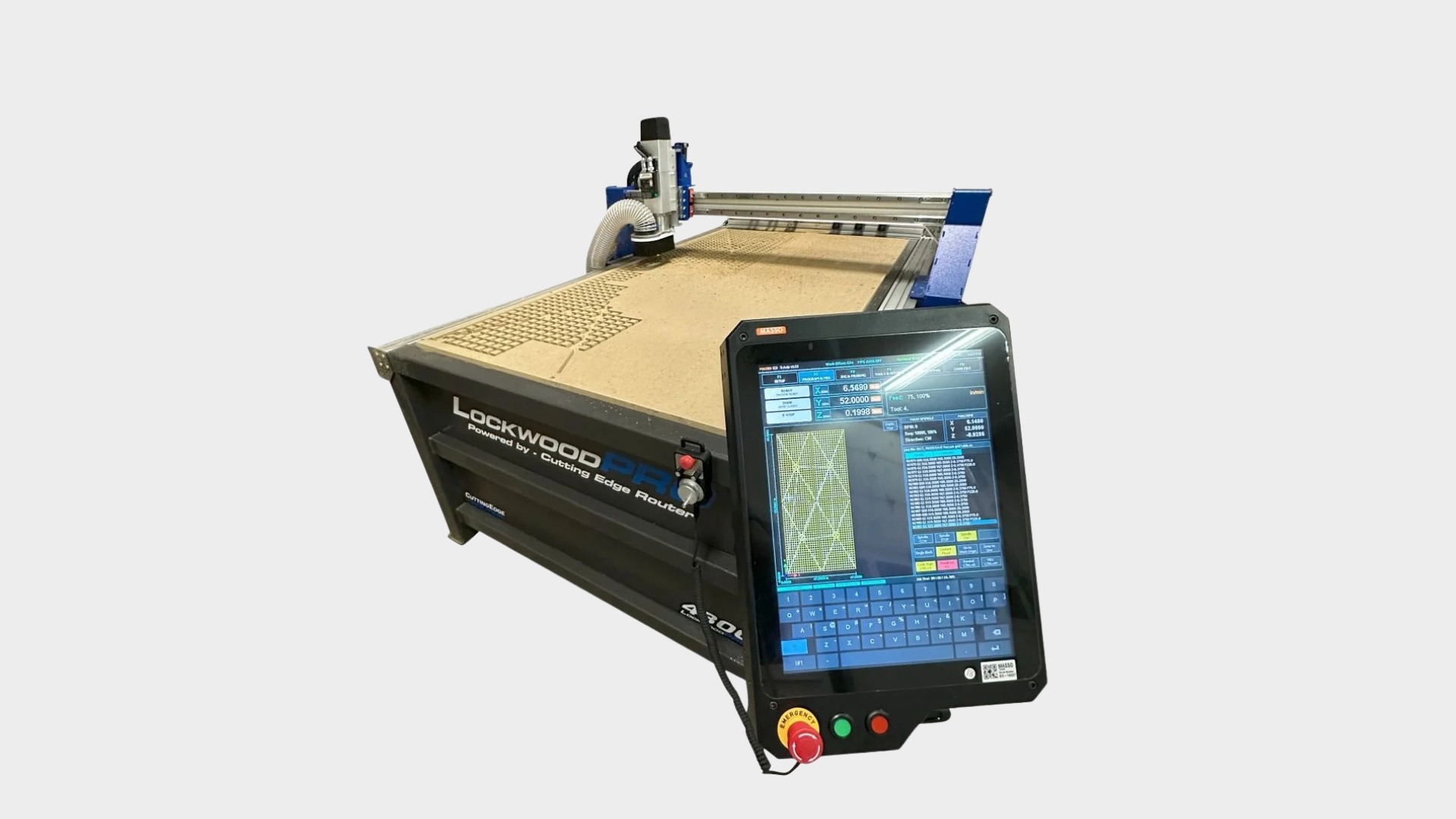
Where It Fits Best: High-volume shops handling large sheets and long production cycles
Why This Model Delivers Real Value:
The Lockwood PRO 5100 CNC Router model is built for long production hours. Its welded, powder-coated frame stays steady during extended runs, reducing small shifts that can affect consistency on full-sheet work.
The motion system holds smooth travel even at higher feed rates, which helps when cutting hardwoods, composites, or large panels that usually strain lighter machines.
Its 3 HP spindle handles deeper passes without slowing cycles, letting bigger jobs finish sooner and making repeated batch work more manageable.
With the optional pneumatic tool changer, bit swaps happen without stopping the job, keeping multi-step projects moving with fewer interruptions.
Best Operational Fit:
Workshops that need uninterrupted production and a machine that stays stable through long, back-to-back full-sheet runs. It suits teams that want consistent throughput without constant adjustment or slowdown.
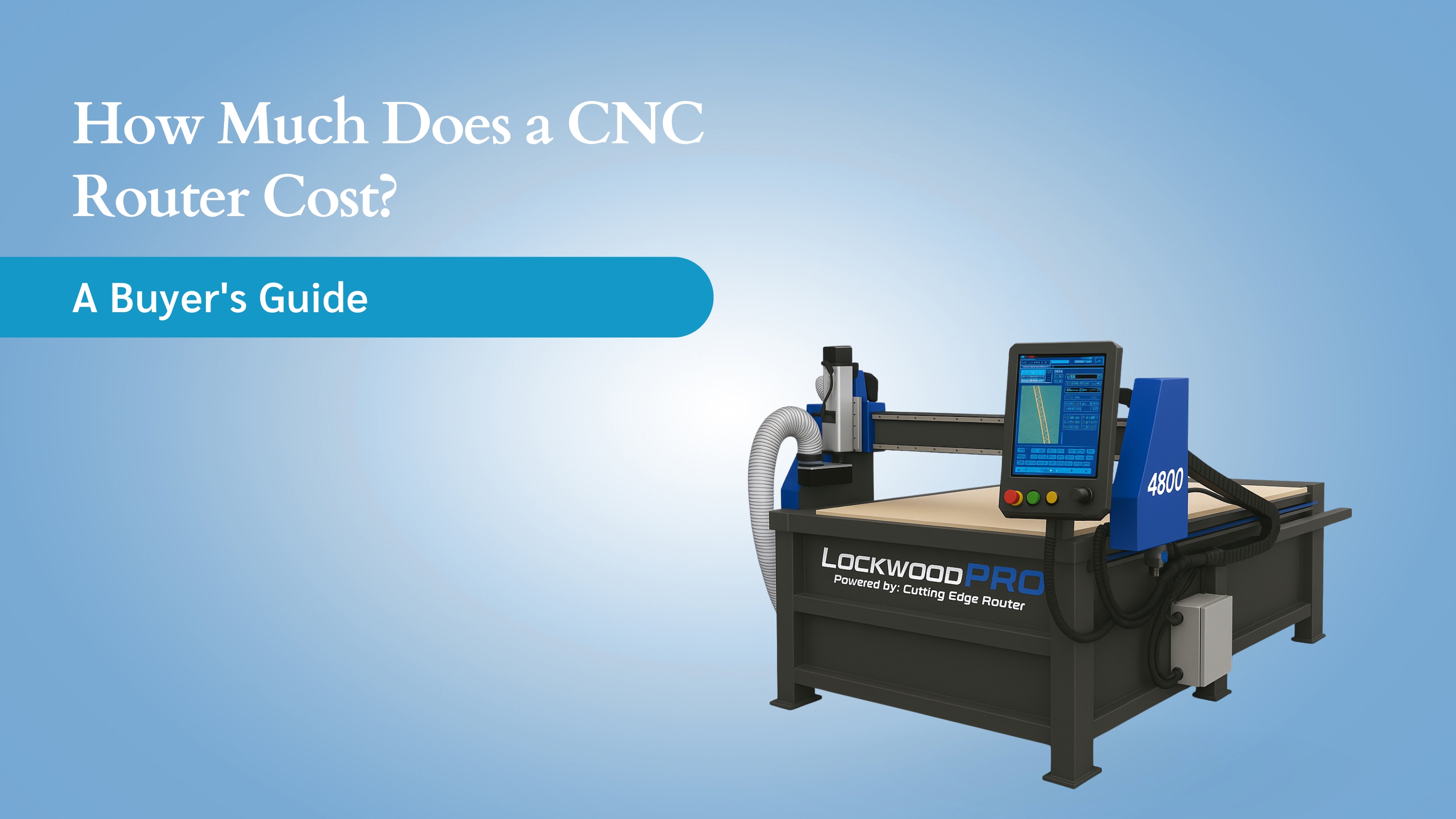
2. Lockwood PRO 4800 CNC Router
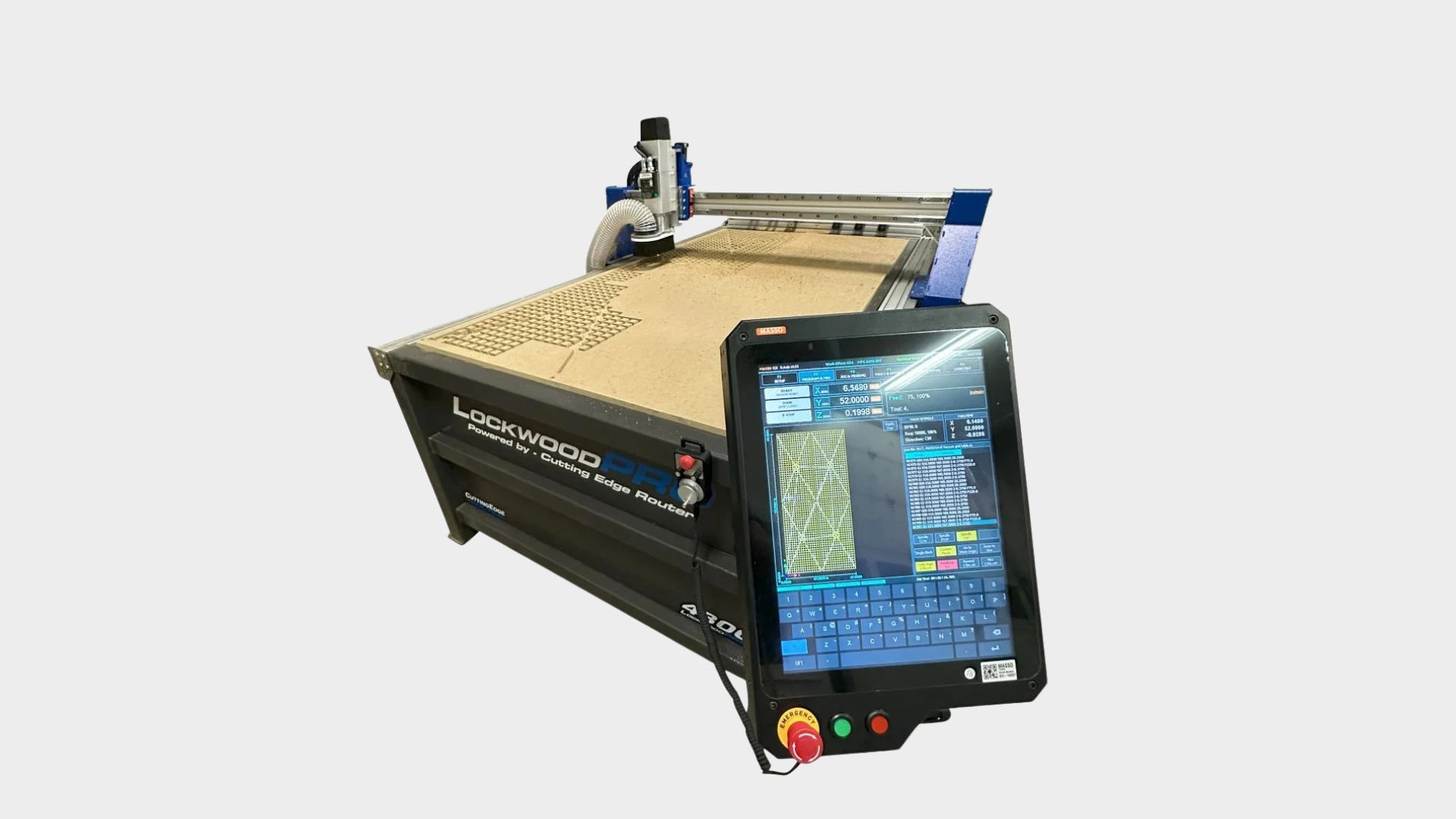
Where It Fits Best: Medium to large shops working with a mix of materials and thicker stock
Why This Model Delivers Real Value:
The reinforced frame on the Lockwood PRO 4800 CNC Router model keeps vibration low when cutting denser or layered materials, helping the machine stay steady on thicker boards and composite panels.
Its motion setup manages layered toolpaths smoothly, which works well if your workflow shifts between carving, edge shaping, and full-depth cuts in the same job.
You also get an 8-inch Z height, giving you room for thicker material, stacked layouts, or taller fixtures without running into clearance limits.
The build is geared for long run times, making it a strong fit for shops that handle multi-step jobs like custom furniture, prototyping, or fabrication work that uses varied tools and depths.
Best Operational Fit:
Teams that need a CNC capable of handling heavier loads while still keeping day-to-day workflows steady. It suits shops balancing diverse projects but still needing reliable throughput across long working hours.
3. Lockwood PRO 4400 CNC Router
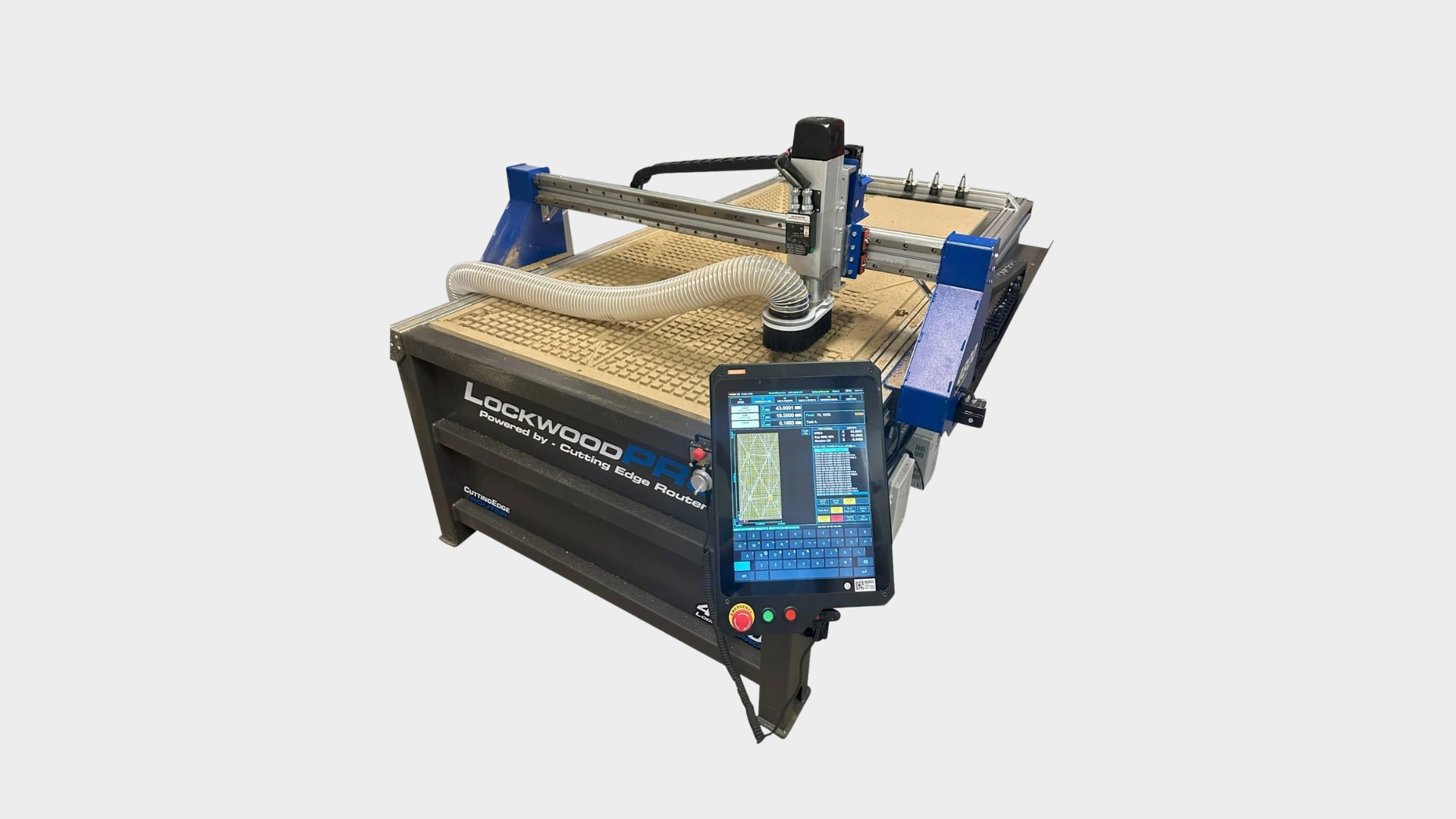
Where It Fits Best: Small to mid-size shops aiming for steady, day-to-day production
Why This Model Delivers Real Value:
The steel frame provided in the Lockwood PRO 4400 CNC Router model helps the machine firmly planted, minimizing wobble or drift even during longer runs. This ensures cuts and repeated profiles line up consistently across multiple sheets.
Its spindle is designed to handle plywood, MDF, plastics, and other common shop materials without losing speed or load, so you can maintain throughput on routine jobs.
The motion system glides smoothly on tight curves and complex toolpaths, reducing the micro-pauses or stutters that often slow smaller machines.
Its durability and consistent operation make it ideal for shops that are scaling from occasional projects to daily production without upgrading to a larger machine yet.
Best Operational Fit:
Ideal for workshops that need a reliable CNC for everyday use, capable of handling a variety of standard materials and multi-step projects without constant monitoring or recalibration.
4. SainSmart Genmitsu 3018-PRO
Where It Fits Best: Beginners, hobbyists, and home workshops exploring CNC for the first time
Why This Model Delivers Real Value:
Its compact work area keeps projects manageable, letting beginners focus on mastering toolpaths, feed rates, and basic machine behavior without risking the waste of large, expensive material.
Ideal for engraving, carving, prototyping, and testing designs, it provides hands-on experience with different materials while reducing costly mistakes.
The lightweight, modular frame makes setup, repositioning, and troubleshooting straightforward, which is critical when you’re learning the nuances of CNC operations.
The open design and simple controls give clear feedback on how the machine responds to adjustments, helping users quickly grasp cause-and-effect in routing and engraving.
Best Operational Fit:
Anyone looking to gain practical CNC experience safely before upgrading to larger or more powerful machines, while still producing small projects and prototypes efficiently.
5. Mysweety DIY CNC 3018-Pro
Where It Fits Best: Hobbyists and small workshops combining routing and laser work
Why This Model Delivers Real Value:
Combines CNC routing with an integrated laser module, allowing you to handle carving, trimming, and detailed surface etching in a single setup.
Supports a variety of materials, including wood, plastics, and soft metals, so you can switch between projects without needing multiple machines.
The compact design ensures controlled motion for delicate cuts, avoiding brute-force methods, which is ideal for lightweight, detailed crafting.
Quick setup and dual functionality enable creators to experiment with layered designs and mixed-media projects efficiently.
Best Operational Fit:
Creators and makers who need a versatile, compact machine to move seamlessly between routing and laser engraving while keeping small-scale projects organized and manageable.
6. Genmitsu 4040-PRO
Where It Fits Best: Workshops moving beyond hobby projects into small-scale production
Why This Model Delivers Real Value:
Expands your workspace to handle larger furniture components, prototype parts, signage, and multi-piece assemblies, giving you flexibility that smaller machines cannot.
A strong, rigid frame minimizes bending and flex during longer toolpaths, keeping cuts aligned even on extended runs or layered operations.
The smooth motion system supports multi-pass work, reducing cumulative errors that often occur on weaker machines during repetitive routing.
Built to handle heavier loads and more frequent use, allowing workshops to take on small production runs without upgrading to a complete industrial machine.
Best Operational Fit:
For teams that want to step up from entry-level CNCs, managing larger projects efficiently while keeping cut quality consistent across long or complex toolpaths.
7. BobsCNC Quantum
Where It Fits Best: Shops handling larger wood projects and custom designs on a budget
Why This Model Delivers Real Value:
Offers a spacious cutting area that supports cabinet panels, jigs, templates, and multi-piece projects. This allows small shops to take on larger or more complex jobs without moving to industrial-scale machines.
Wood-frame design with reinforced bracing and tensioning keeps the machine stable during long or multi-pass jobs, reducing alignment drift that often affects large-format cuts.
Lightweight frame makes maintenance, modifications, or upgrades simpler, keeping workflows flexible while supporting growing production demands.
The motion system manages extended toolpaths and layered operations smoothly, making repetitive cuts, decorative profiles, and batch projects more efficient.
Supports larger stock and varied project types without requiring heavy steel construction or industrial power, keeping costs manageable.
Best Operational Fit:
Shops that need a reliable, larger-capacity router that balances workspace, workflow stability, and adaptability. It is ideal for medium-volume production without investing in full steel-frame industrial machines.
8. Inventables X-Carve Pro
Where It Fits Best: Small shops prioritizing speed and consistent output
Why This Model Delivers Real Value:
Optimized for fast setup and smooth software workflow, making it ideal for signage, décor, and small-batch manufacturing.
Maintains steady performance across repeated cuts, reducing recalibration and ensuring uniform results for every batch.
Secure material hold-downs minimize repositioning, keeping projects moving efficiently and reducing wasted time.
Motion system handles multi-step toolpaths effectively, supporting layered operations and complex shapes without slowing production.
Best Operational Fit:
Shops that need reliable throughput for frequent customer orders. This model is perfect for teams that want quick turnaround, repeatable results, and minimal fuss in day-to-day operation.
After reviewing the top models, it’s important to understand which features influence performance, cost, and long-term consistency.
What Key Factors Should You Consider Before Buying a CNC Router?
Bringing a CNC router into your workshop can change how smoothly projects flow, how consistent your output is, and how predictable your operational costs remain. The right router supports your team, reduces rework, and helps keep deadlines on track.
To get the best results, focus on the factors mentioned below that matter most in your daily operations.
1. Table Size That Matches Your Project Needs
Before anything else, think about the size of the materials you usually work with. The table should allow easy handling of boards, panels, or sheets without crowding your workspace.
A table that fits your most common project sizes keeps workflow smooth, reduces delays, and avoids bottlenecks. Good placement also improves safety and lets your team operate efficiently.
2. Frame Strength and Build Stability
Once you know the right size, check the frame. A rigid, well-built frame keeps the router level, maintaining accuracy and reducing mistakes.
Stable construction also protects the router mount, fences, and work surface. When these components stay solid, cuts remain consistent, and your team spends less time adjusting or fixing minor errors. Strong frames support predictable day-to-day performance and more reliable project timelines.
3. Router Motor Power and Motion System
The motor and drive system should match your workload. Smaller motors work fine for occasional tasks or prototypes, while higher-power systems handle frequent or large-scale production.
Reliable drives keep cuts smooth, reduce tool wear, and prevent unexpected downtime. Matching motor power to the tasks you do most helps maintain throughput and keeps schedules on track.
4. Compatible Software and Control Features
Software is key to accuracy and efficiency. Intuitive controls, nesting tools, and built-in CAM features simplify setup, reduce mistakes, and allow multiple projects to run smoothly.
Modern systems like Proma or iCNC make it easier for operators to manage jobs while maintaining cut precision. The right software improves output quality and minimizes material waste.
5. Dust Collection, Safety, and Maintenance Requirements
A clean and safe workspace supports better productivity. Check for routers with dust management options, easy maintenance, and safety features that protect your team.
Reducing dust buildup and keeping maintenance simple lowers the risk of interruptions and ensures your equipment runs reliably over time.
6. Warranty, Service, and Long-Term Support
Even the best routers need support. Vendors that provide quick access to parts, clear guidance, and responsive service help reduce downtime.
Reliable support is especially important for smaller teams where one person might handle multiple responsibilities. Good coverage ensures your workflow stays consistent and issues don’t derail projects.
Now that you know what to look for, it becomes easier to see which work setups benefit the most from reliable CNC routing.
Which Operations Gain the Most from CNC Routers?
The best CNC routers can change how a workshop runs, whether it’s a woodworking garage, a sign-making space, or a small custom fabrication setup. They help reduce waste, keep projects on schedule, and make day-to-day operations smoother.
Let’s look at which setups see the most value.
1. Furniture & Cabinet Workshops
When you’re producing multiple pieces that need to match perfectly, consistency matters. CNC routers ensure repeated parts come out the same every time.
This reduces material waste, reduces rework, and makes finishing and assembly more predictable.
2. Sign Shops & Custom Woodworkers
Switching between designs can slow production and introduce errors. CNC routers make these transitions easier, keeping cuts precise and orders on schedule.
This lets shops manage multiple projects efficiently without interruptions.
3. DIY Builders & Small-Scale Operators
For smaller workshops or hobbyists, tackling complex shapes manually can be time-consuming and prone to mistakes.
CNC routers simplify these tasks, reduce trial-and-error, and allow one person to handle projects more efficiently from start to finish.
4. Multi-Material Workshops
Workshops handling wood, plastics, and composites often face delays when switching materials. CNC routers make transitions smoother, help maintain consistent quality, and support steady output across different jobs, keeping production timelines stable.
With the operational advantages and use cases covered, here’s how Cutting Edge Plasma systems deliver steady output and workshop-ready performance.
Why Cutting Edge Plasma CNC Routers Are a Smart Choice for Modern Workshops
At Cutting Edge Plasma, we offer CNC routers designed to help your workshop run smoothly every day. Whether you handle woodworking, signage, prototypes, or custom projects, the router you use plays a significant role in how clean your cuts look and how steady your workflow stays.
Our routers are built with strong frames, smooth motion systems, and easy-to-use software so you can focus on the job instead of the machine. Everything is designed to help you work comfortably, stay accurate, and keep your daily operations moving without extra effort.
Here’s why professional workshops trust Cutting Edge Plasma CNC routers:
1. Built for Day-to-Day Reliability
These routers are engineered for continuous operation, delivering smooth motion control, strong repeatability, and predictable routing across wood, plastics, and composites.
2. Easy to Operate for Both New and Experienced Users
Simple, intuitive controls help new operators start cutting quickly, while experienced machinists get full control over spindle speed, feed rates, and toolpaths without unnecessary complexity.
3. Strong Frames Designed for Long-Term Use
A rigid steel structure reduces vibration and improves cut accuracy. This long-lasting build helps you maintain consistent output even when your shop runs multiple jobs daily.
4. Clean, Accurate Cuts Across Wood, Plastics, and Composites
With stable motion, balanced spindle power, and precise tooling paths, these routers deliver clean edges and smooth finishes for signage, cabinetry, prototyping, and more.
5. Support and Training That Keep Your Shop Moving
You get access to dependable technical help, clear documentation, and training guidance that keeps your workflow steady, ideal for shops without dedicated maintenance staff.
Conclusion
Using the best CNC router for small business setups helps you maintain smooth production, reduce material waste, and keep daily operating costs manageable. The right machine also prevents workflow slowdowns that can delay orders and add unnecessary pressure on your team.
At Cutting Edge Plasma, we offer CNC router systems built to meet these exact needs, enabling small shops to achieve consistent cut quality and dependable performance on every project.
A clear comparison of the best CNC routers for small businesses gives you the insight needed to invest in equipment that supports steady routing cycles and reliable output.
To get detailed information on frame construction, spindle capability, motion components, or software options, reach out to Cutting Edge Plasma for complete technical guidance.
FAQs
1. What should I look for in the best CNC router for small business use?
The best CNC router for small-business setups offers consistent accuracy, smooth motion control, and reliable spindle performance. A strong frame and user-friendly software help you maintain consistent daily production with minimal operator effort.
2. How can I compare different CNC router models for my workshop needs?
Compare CNC router models by checking spindle power, frame stability, drive system quality, and software features. Reviewing these elements side by side helps you choose a machine that matches your workload and material types.
3. Which CNC router features matter most for everyday shop operations?
Precise linear motion, dependable dust collection, strong spindle performance, and secure workholding have the greatest impact. These features support clean cuts, reduce downtime, and keep your workflow steady.
4. How does the CNC router table size influence overall shop productivity?
The right table size ensures smooth material handling and efficient project flow. Smaller workshops may prefer 2x4 or 4x4 machines, while a 4x8 router offers more flexibility for larger sheet work without slowing operations.
5. How do long-term operating costs differ between CNC router brands?
Operating costs vary based on tool lifespan, spindle efficiency, maintenance frequency, and machine durability. A well-built router reduces tool wear, lowers material waste, and keeps ongoing expenses predictable.